When diving into the world of mini split installations, one phrase you've probably heard more than once is “pre-charged lineset.” It's a major selling point for DIY-friendly HVAC products, including popular options like the Zone Air DIY 9,000 BTU 23 SEER2 115V wall mount (currently $1,899.99, down from $2,499.99), which touts easy plug-and-play installation.
But what does it truly mean when manufacturers claim these linesets are factory pressure-tested? Can you safely skip that nitrogen pressure test, worry less about EPA certification, and still get a sealed system that performs without headaches? Let’s break it down, referencing your real tools and what changing refrigerants like R454B mean for you as a homeowner or small contractor. And naturally, we’ll cover why “plug-and-play” can sometimes be more about your circuit breaker than your confidence.
What Are Pre-Charged R454B Quick-Connect Linesets?
First, a quick refresher on terminology. Traditional Helpful resources mini splits typically ship with bare copper line sets, requiring you to:
- Cut and flare or braze connections Pull a vacuum on the refrigerant lines with a vacuum pump Charge the system with refrigerant (if necessary) Test for leaks and verify pressure
This process demands tools and certifications like the EPA 608 to legally handle refrigerants.
Enter pre-charged quick-connect linesets loaded with refrigerants like R454B, designed for DIY-friendly installs. Here's what changes:
- Factory Charging & Sealed System: The lineset arrives pre-filled and factory-sealed with refrigerant. The manufacturers claim these lines are factory pressure-tested and ready to go without a nitrogen leak test or vacuum pull. Quick-Connects: Instead of brazing or flare fittings, you use specialized couplings that snap together, reducing skill-level and tool requirements. R454B Refrigerant: Newer refrigerants designed to have lower global warming potential (GWP) and sometimes narrower pressure tolerances, so proper sealing is critical.
Does Pre-Charged Really Mean Factory Pressure-Tested?
Yes and no. The critical takeaway is that reputable manufacturers like Zone Air conduct strict pressure and leak testing at the factory level on their sealed linesets before shipping. This means each quick-connect lineset you receive has undergone a rigorous nitrogen or dry gas pressure test to find and seal leaks, ensure proper assembly torque, and validate system integrity.
But—and this is important—the quality of the field install still influences the final seal:
- Tighten to Torque Specs: You must torque fittings exactly per installation manuals. Over-tightening or under-tightening can cause leaks—so grab your torque wrench and don’t wing it. Inspect Quick-Connects: Even factory tested, dirt or damage during shipping or rough handling can degrade seals. Keep everything clean and undamaged. Don’t Skip Visual Inspections: A quick hose check for kinks or dents is crucial—no amount of factory testing fixes field mistakes.
Saving Time and Money: The Tool and Certification Advantage
Here's where pre-charged R454B quick-connect linesets really shine:
No Vacuum Pump Needed: Traditional installs require pulling a vacuum to remove non-condensables and moisture. Pre-charged linesets deliver sealed systems ready to go, so this expensive step is eliminated. Skip Commercial Gauge Sets: Since the refrigerant is pre-charged and sealed, you mainly confirm connections, not refrigerant charge levels using gauges. Bypass EPA 608 Certification: Handling refrigerants generally mandates certified technicians. But DIY pre-charged kits remove the need for EPA 608 licensing by delivering pre-charged, sealed units.Bottom line? If you plan to DIY your mini split—say the Zone Air 9,000 BTU 23 SEER2 115V model designed for spaces up to 450 square feet—pre-charged linesets offer significant convenience and cost savings:
Item Traditional Install Pre-Charged Quick-Connect Install Vacuum Pump Required Not Needed Gauge Set Required Not Needed EPA 608 Certification Required Not Needed Installation Skill Advanced (braze/flaring/vacuum) Intermediate (torque to spec, quick-connect clean seal) Cost Example (Zone Air DIY) Varies, plus tools $1,899.99 (down from $2,499.99)Sizing Mini Splits Right: Square Footage Matters
While pre-charged systems simplify installation, sizing remains an area where “small mistakes turn into big inefficiencies.” Over-sizing a mini split so you can “just crank it” leads to short cycling, higher wear, and wasted energy.
Manufacturers and HVAC pros recommend sizing by square footage—in this case, the Zone Air 9,000 BTU model suits spaces up to 450 sq ft. Measure twice (and don’t skip wall measurements!) to avoid buying a system that’s too hungry for your space.
Remember, mini splits are rated in BTU output and efficiency by SEER2 ratings (Seasonal Energy Efficiency Ratio). The #1 question is:
Use this early to narrow down your choice, avoid upsizing “just in case,” and keep your lineset length—and thus refrigerant charge and pressure—within factory-tested specs.
115V Plug-and-Play vs 230V Dedicated Circuit: Reality Check
One big marketing claim of pre-charged DIY kits is that they run on a 115V standard outlet, unlike traditional 230V mini splits requiring dedicated circuits.
Sounds easy, right? But here’s my go-to question before anyone spends a dime:
“What breaker is this on?”Why? Because not all 115V outlets are created equal. Many household outlets might not have dedicated 20A breakers, and plugging a high-demand mini split into a shared circuit can cause nuisance tripping.
- Confirmed dedicated 20A circuit? Great, 115V plug-and-play is a reality. Only a 15A circuit shared with lights and plugs? You’re heading for problems—you should consider a 230V 30A dedicated circuit.
Before installing, double-check your panel or have an electrician confirm your circuit breaker assigns proper amperage and exclusivity. Remember, pre-charged linesets and simplified installation don’t replace fundamental electrical safety requirements.
Bonus: Integrating with Smart Tech Like Amazon Alexa
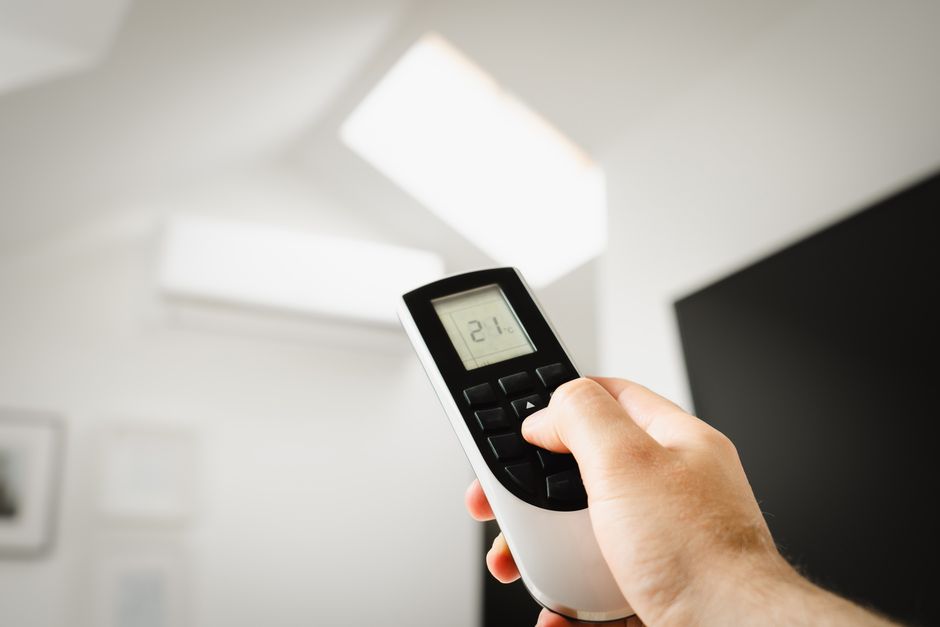
Once installed, many modern mini splits—including select Zone Air units—offer Wi-Fi controllers that link to smart home hubs like Amazon Alexa. This means you can:
- Voice control your system Schedule heating and cooling remotely Monitor efficiency and alerts through apps
This integration adds high convenience but be sure the wiring and network setup are solid before celebrating your compressor turning on with a simple “Alexa, turn on the air conditioner.”
Summary: What You Really Need to Know
- Pre-charged R454B quick-connect linesets are factory pressure-tested and come as sealed systems. This lets you skip vacuum pumps, gauge sets, and EPA 608 certification when installing. Proper torque to spec on connections is non-negotiable. Mis-torquing can undermine the factory testing and cause leaks. Sizing your mini split by square footage, like the Zone Air 9,000 BTU for up to 450 sq ft, avoids costly over-sizing mistakes. 115V plug-and-play is great, but verify your breaker limits and dedicated circuit availability before proceeding. Don’t neglect visual checks for dents, kinks, or dirt that impact your sealed system’s integrity.
In short, yes—pre-charged mini split linesets are legitimately factory pressure-tested, eliminating many traditional installation hurdles. But you still need care, proper torque tools, and electrical due diligence for a worry-free, efficient system.
If you’re eyeing something like the Zone Air DIY 9,000 BTU system, remember: measure twice, check your breaker, torque to spec, and enjoy your cool, smart home.