If you manage or own a distribution centre, one of your biggest assets under weather is the roof. Specifically, a single ply membrane roof is a popular choice for commercial buildings like warehouses and distribution centres. But here’s the question that’s on every facilities manager's mind: how long should that roof realistically last?
After 15 years of working in commercial roofing project management, sitting through leak investigations, reviewing installation techniques, and Click here to find out more collaborating with manufacturer reps from the likes of IKO Group, here’s what I tell clients: a quality single ply membrane roof, properly specified and maintained, can last decades. But “guarantee” and “lifespan” are not the same things https://tessatopmaid.com/approved-contractor-schemes-do-they-actually-matter-for-guarantees/ – and the difference matters if you want to avoid mid-life mishaps that drive emergency repairs. Let me break it down plainly.
Understanding Roof Lifespan vs Guarantee
First off, don’t confuse a guarantee with the actual life expectancy of the roof. Many building owners think that a 20-year guarantee means the roof will only last 20 years. That’s not how roofing works.
A roofing guarantee is simply a manufacturer’s promise to cover specific defects (like material faults) during a set period. It is not a roof’s expiry date. Meanwhile, the roof’s service life depends on:
- Design quality – Does the specification match the building’s use and exposure? Installation workmanship – Were seams properly welded and details finished meticulously? Maintenance regime – Are gutters clear, joints inspected, and foot traffic controlled? Environmental factors – Wind uplift pressures, UV exposure, temperature fluctuations.
Ignore these and expect to see early failures long before any guarantee ends. So, when someone sells you on a “lifetime roof” without specifying these controls, be very sceptical.
Typical Lifespan Ranges for Single Ply Membrane Roofs on Distribution Centres
Single ply membranes are favoured for their ease of installation and flexibility, but each type has typical lifespans:
Membrane Type Typical Service Life (years) Notes TPO (Thermoplastic Polyolefin) 20 – 30 Good UV resistance; reflected heat helps in warmer climates; seam welding quality critical PVC (Polyvinyl Chloride) 25 – 35 Robust chemical resistance; weld quality usually excellent; slightly higher cost but longer life possible EPDM (Ethylene Propylene Diene Monomer - rubber) 30 – 40+ Exceptional weathering; seams less reliant on heat welding (usually adhesives/seam tape); can be thickerThese ranges are based on both manufacturer recommendations, consolidated evidence from the British Board of Agrément (BBA), and industry experience from members of the Single Ply Roofing Association (SPRA).
What Would Stop a Single Ply Roof Reaching Year 35?
Before talking about products or guarantees, I always ask myself, “what would stop this roof from reaching year 35?” Because if the answer isn’t clear, and you don’t have controls in place, you’re just gambling on luck. Here’s a quick checklist I keep in mind:
Drainage: Ponding water accelerates membrane degradation; is the roof properly sloped and free flowing? Details: Are complex junctions (parapets, rooflights, HVAC penetrations) properly flashed and sealed? Seams: How confident are you that welds or adhesives are intact, fully bonded, and unpunctured? Foot Traffic: Has the roof been kept free from unnecessary footfall or mechanical damage? Are protected walkways defined? Wind Uplift: Has a proper wind uplift calculation been done to specify fixings and ensure the membrane won’t be blown off in storms? Deck Condition: Was a deck survey by the membrane manufacturer or an independent engineer done to check substrate stability and moisture content?If any of those areas are weak or unknown, that’s when you’ll see leaks, blistering, and membrane shrinkage well before 30 years.
Design and Workmanship: Early Failures Are Not Always the Material’s Fault
How often do leak investigations show membranes tearing not because the membrane was defective, but because installation shortcuts were taken? I can’t tell you the number.
Good design work should tailor the membrane system to the building specifics, including:
- Expected foot traffic and access arrangements Parapet and edge detail compatibility with the membrane Ventilation and condensate management Membrane compatibility with adjacent works (e.g., insulation, vapour barriers)
Workmanship is the next level – welding seams with trained crews using calibrated heat welding equipment, ensuring proper overlap, and checking bond strength post-install.
Manufacturers like IKO Group offer approved contractor schemes where teams are regularly assessed. These programs exist because even the best materials will fail quickly if poorly installed.
Why Planned Maintenance Schedule Is Essential for Your Single Ply Commercial Roof
Skipping maintenance is probably the single biggest mistake I see among building owners. Many schedule an inspection only after leaks start appearing. By then, damage is extensive and costly.
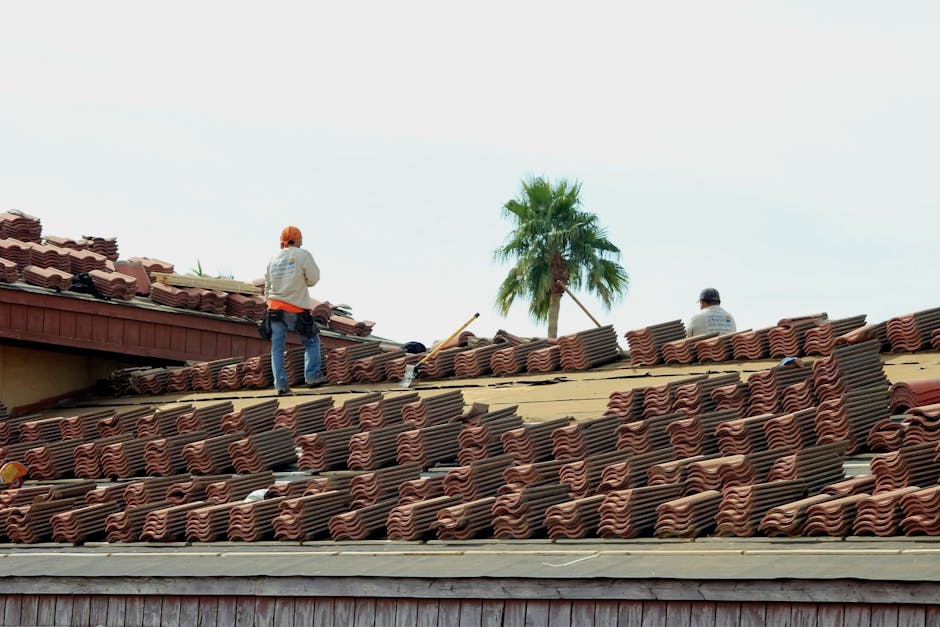
A strong planned maintenance schedule includes:
- Twice-yearly inspections (pre-winter and pre-summer), checking seams, flashings, drainage outlets, and surface condition Cleaning debris from drains and gutters to prevent ponding Proactive repairs of minor blisters, splits, or seam separation before they grow Monitoring and limiting foot traffic; ensuring protective walkways remain intact
Remember, a roof’s lifespan is like a car’s engine: you might have a warranty on parts, but without oil changes and servicing, the engine fails early.
Wind Uplift Calculations & Deck Surveys: Key Tools for Longevity
Two technical inputs stand out for making sure your single ply commercial roof survives decades:
1. Wind Uplift Calculations
Distribution centres often have large, flat roof areas exposed to strong winds. A wind uplift calculation models the maximum uplift pressure and specifies how many fixings per square metre are needed to securely hold the membrane in place.
This is not a box-ticking exercise. If the fixings are under-specified, the membrane can lift and tear during storms well before year 10 — leaving your building exposed and repairs urgent.
2. Deck Survey by Manufacturer or Specialist
The substrate your membrane is laid on is critical. A deck survey assesses:
- Structural integrity (no rot or decay in timber decks, no corrosion of metal decks) Flatness and evenness for correct membrane application Moisture content, which can cause blistering if too high
Manufacturers like IKO Group require this step before warranty approval because it directly impacts membrane adhesion and subsequent performance.
Summary: What Should You Expect From Your Distribution Centre Roof?
Here is a quick checklist before signing off on your next single ply commercial roof:
Choose a membrane type suited to your climate and risk profile (TPO, PVC, or EPDM), with expected life of 25 to 35+ years. Don’t rely solely on guarantees. Treat them as insurance, not roof expiry dates. Insist on design checks, including wind uplift calculations and deck surveys. Use an approved contractor familiar with manufacturer standards (e.g., IKO Group approved installers). Develop and commit to a planned maintenance schedule with regular inspections and proactive repairs. Track the four critical areas: drainage, details, seams, and foot traffic throughout the roof’s life.With the right approach to design, installation, and maintenance, your single ply commercial roof on a distribution centre should comfortably provide decades of leak-free service, keeping goods, machinery, and your operations protected.
Further Resources
- Single Ply Roofing Association (SPRA) – Industry guidance and approved contractors. British Board of Agrément (BBA) – Certification of roofing materials and systems. IKO Group – Manufacturer of high-quality single ply membranes and technical support.