The bathroom mirror is more than just a reflective surface—it’s a functional cornerstone of your daily routine and a design feature that shapes your space’s lighting and aesthetics. If you’re remodeling or upgrading, understanding the installed bathroom mirror $110 to $240 cost range, the different mirror types, proper sizes related to lighting layouts, and labor factors is essential.
Based on insights from the National Kitchen & Bath Association (NKBA) and popular lighting vendors like Golden Lighting and Lumens, this post breaks down how to realistically budget your bathroom mirror installation—a common sticking point for residential remodelers and homeowners alike.
Understanding Bathroom Mirror Types: Function Defines Form
Choosing a mirror isn’t about picking the prettiest piece alone. Your decision should factor in function first—shape, storage, mounting style, and integrated lighting all influence not just utility but also installation complexity and cost.
Mirror Shapes and Their Intent
- Rectangular Mirrors: Classic and versatile, they pair well with sconces on either side and often provide the most usable reflective area for grooming tasks. Round Mirrors: Trendy but risk dating quickly (2020s hallmark). They usually require larger wall space if flanked by sconces and sometimes present sizing challenges. Oval and Custom Shapes: These add character but complicate both mounting and lighting placement, which may increase installation hours.
Storage-Integrated Mirrors
Medicine cabinet mirrors or full-storage mirrored walls offer excellent organization but Click for more info add bulk and require careful plumbing and electrical clearance planning. Labor costs rise with these due to heavier glass and cabinetry installation steps.
Mounting Styles
- Wall-mounted plate glass mirrors: The most common, usually templated and cut by a glazier to fit exactly. Framed Mirrors: A frame adds design appeal but must be sealed properly. Beware of cheap frames that warp or degrade in humidity—a common fail point in bathrooms. Floating or Hinged Mirrors: These can incorporate movement or angled views but often require additional hardware labor.
Lighting Options Built into the Mirror
Before finalizing the mirror width, always decide on lighting first—lighting layout significantly impacts mirror sizing and placement. Demister pads and integrated hardwired LEDs require electrical feeds installed by a licensed electrician.
Examples include:
- Backlit Mirrors: Feature LEDs around or behind the glass edges for ambient glow. Installation involves routing power discreetly and verifying lighting uniformity. Front-Lit Mirrors: LEDs mounted on or near the mirror surface add task lighting but don’t replace flanking sconces. Demister Pads: Keep the mirror fog-free but require a low-voltage power source.
Verdict: Demister yes. Dashboard LED lighting maybe—bases on space and power access.
Sizing Rules Tied to Lighting Layout
The NKBA stresses that mirror size should complement lighting rather than overshadow it. Oversized mirrors that edge into sconce space crowd lighting and reduce efficacy, wasting valuable wall real estate.
Horizontal Width Guidelines
- Leave 2-4 inches between mirror edge and each sconce to avoid harsh shadows and glare. For double vanities, a single wide mirror can be used, but ensure it doesn't eliminate sconce space—space sconces 28-36 inches apart center to center.
Placement Heights
- Mirror bottom edge: approx. 40 inches from finished floor, based on average eye height. Mirror height: 30-36 inches typical, adjusting up or down for user height and vanity backsplash height. Maintain consistent height for sconces, generally 60-66 inches from floor to fixture center.
Remember, these measurements balance task lighting effectiveness and ambient lighting harmony while ensuring comfortable visual access.
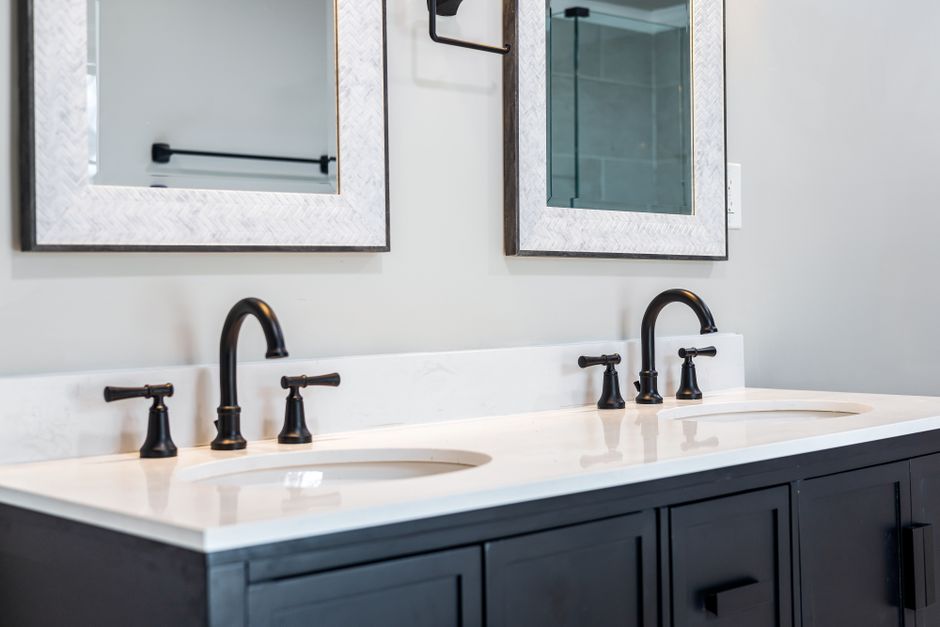
Task Lighting vs Ambient Lighting: A Design and Cost Balance
Task lighting targets your reflection area to minimize shadows—usually a combo of flanking sconces and possibly front-lit mirror LEDs. Ambient lighting fills the room with diffused glow, often achieved through ceiling fixtures or backlit mirrors.
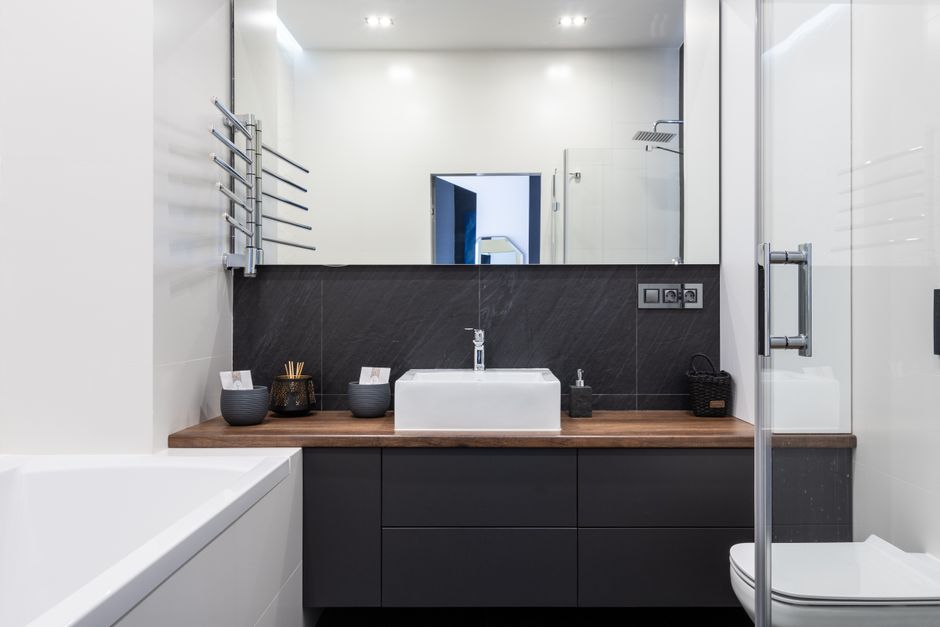
Introducing hardwired LED mirrors may reduce the need for extra sconces but often means higher initial fixture and electrician costs. As always, task lighting should be prioritized for grooming precision.
Lighting Considerations for Installation Cost
Lighting Type Labor Complexity Average Installation Cost Addition Notes Standard Flanking Sconces Medium $75 - $150 per sconce Wiring may require new switches or circuits Hardwired LED Integrated Mirror High $150 - $300 labor Electrician needed for dedicated feeds; coordination with glazier for installation Demister Pads Low to Medium $50 - $100 labor Requires low-voltage wiring; generally easier installBathroom Mirror Labor: Glazier and Electrician Roles
The Glazier’s Role
Mirrors often come as large plate glass pieces, templated to the vanity space by a glazier. This specialized trade ensures:
- Precise measurement and cutting that fits vanities and accommodates plumbing and outlets. Safe handling and secure mounting hardware installation to prevent accidents. Challenges increase with custom shapes, integrated shelves, or storage behind the glass.
Expect this labor to account for 30-50% of your mirror installation cost due to the skill and machinery required.
Electrician’s Role
LED mirrors and those with integrated demisters require electrical connection that’s not just plug-and-play. Licensed electricians:
- Run hardwired feeds, usually 120 volts or low-voltage, discreetly behind the wall. Install switches or smart controls if applicable. Coordinate with glaziers to ensure power access aligns with mirror placement. Guarantee code compliance and safety, especially in damp bathroom environments.
Electrical labor is a key consideration that can raise bathroom mirror labor costs beyond basic mounting fees.
What Does Installed Bathroom Mirror $110 to $240 Actually Mean?
Across typical residential remodels, the installed bathroom mirror cost ranges from roughly $110 to $240. This includes:
- Basic plate glass mirror of standard rectangular shape Professional hanging and mounting labor Minimal electrical work, like plugging into existing outlets (not hardwiring)
Here’s an approximate cost breakdown:
Item Estimated Cost Remarks Mirror (basic plate glass) $60 - $120 Price varies by size and supplier Glazier labor (cut and mount) $50 - $90 Handling and template coordination Additional hardware (clips, adhesive) $10 - $20 Included by some installersNote: Going beyond this range happens when factors include:
- Hardwired LED mirror installations involving electricians, pushing labor closer to $300+ Custom frames or storage cabinetry increasing mounting time Complex lighting configurations requiring coordinated installation
In such cases, expect mirror installation cost to climb to $400-$700 or more.
Pro Tips for Optimizing Mirror Installation Cost and Performance
Decide lighting before mirror width: Lights dictate mirror size and spacing. Always lock in lighting layout first. Maintain 2-4 inches clearance around sconces: Avoid mirrors that compete for wall real estate and shadow the lighting. Use quality framing materials: Cheap frames degrade with humidity. Look for sealed, factory-finished options. Coordinate electrician and glazier schedules: Integrated lighting or demisters need electrical setup before final mirror templating. Invest in demisters for fog-prone bathrooms: Low labor cost, high user satisfaction. Choose task lighting priorities over ambient for reflective areas: Backlit only is lovely but secondary to well-positioned sconces for grooming.Conclusion
Budgeting for a bathroom mirror installation isn’t just about the glass—it’s about the interplay of function, form, lighting, and labor. The realistic installed bathroom mirror <$strong>110 to $240 range covers basic scenarios, while more complex lighting integrations and customizations naturally push costs higher.
By understanding mirror types as functional decisions, sizing rules based on lighting layouts, placement heights, and the indispensable roles of glaziers and electricians, you’re better equipped to design your bathroom remodel with confidence and control over your costs.
For best results, always reference standards from the National Kitchen & Bath Association (NKBA) and shop lighting options carefully from trusted names such as Golden Lighting and Lumens to blend style, function, and durability in your bathroom mirror investment.