Buying a mini split system for your home feels a bit like gearing up for a backyard project that could make summers cooler and winters cozier. But before you click “buy,” it’s worth taking a moment to plan properly. From sizing the unit right to checking those SEER ratings, making confident, informed decisions helps prevent surprises down the road. I’ve spent years dabbling in HVAC-adjacent projects—so I know firsthand that the difference between “nice try” and “job done” often lies in the prep.
If you’re like me, you love the idea of learning by doing—rolling up your sleeves, wielding a drill and wrenches, and figuring out the quirks of refrigerant lines and line sets. But with mini splits, it’s more than hands-on skill. It’s about matching capacity to your space, double-checking efficiency specs, and making sure your setup works well with your lifestyle—maybe even integrating with Amazon Alexa for smart control.
Why Mini Splits? The DIY Appeal and Price Perspective
Mini splits have become a go-to upgrade for homeowners aiming for comfort and energy savings without massive renovation. Unlike traditional HVAC systems, they don’t require ductwork, which means less mess and a more straightforward install if you’re handy. The upfront cost for a DIY mini split typically ranges https://cleaningservicesgrandrapidsmi.com/whats-the-biggest-mistake-people-make-with-diy-projects-like-mini-splits/ from about $1,000 to $3,500—and that’s before factoring in the value of labor savings when you handle the install yourself.
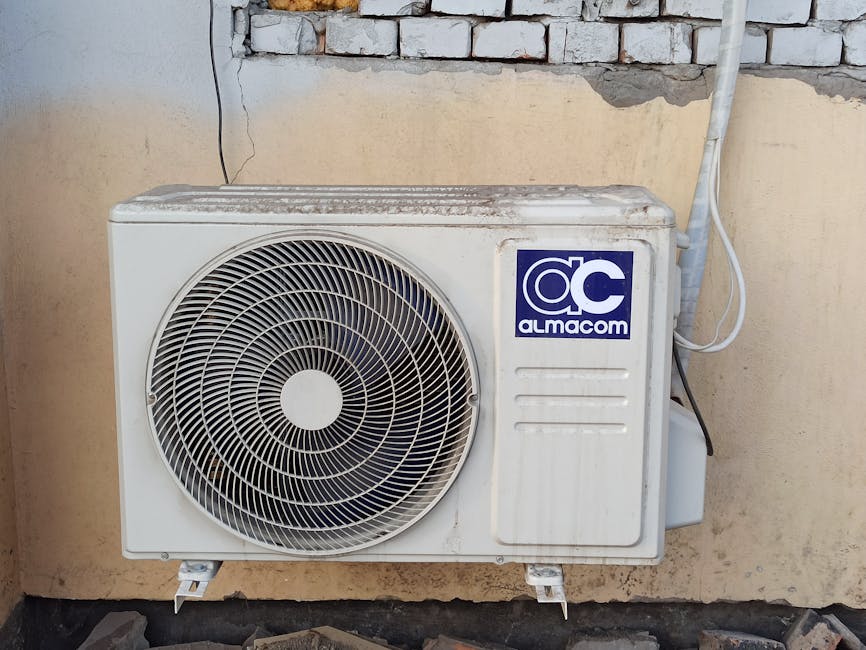
Brands like MRCOOL DIY cater specifically to homeowners who want that “do-it-yourself” freedom, with systems designed for easier setup, clear instructions, and support that helps you avoid the classic pitfalls.
What to Double-Check Before You Buy
Below are the critical areas I always revisit before pulling the trigger on any HVAC equipment. If you treat this like a checklist, you’ll save money, time, and frustration.
1. SEER Rating Check
The SEER rating (Seasonal Energy Efficiency Ratio) tells you how efficient the unit is over an entire cooling season. Don’t just glance at the number—understand what it means in the context of your climate and daily use.
- Check the minimum SEER rating required in your area: Some regions have minimum efficiency requirements, so make sure your chosen unit meets or exceeds these standards. Compare between units: A higher SEER rating will save you money in the long run but often comes at a higher upfront cost. Balance upfront investment against expected energy savings. Look for certifications: ENERGY STAR labels are a good sign the unit is genuinely efficient.
For example, many Zone-Air units offer competitive SEER ratings, but comparing specific models can help you find the perfect balance of cost and efficiency for your project.

2. Capacity Match
The single biggest mistake I see (and once made myself) is buying a mini split that’s not properly sized for the room it serves. An undersized unit struggles to cool or heat, while an oversized one cycles on and off too frequently—wasting energy and stressing components.
To avoid that, consider these steps:
Calculate the square footage of your room or area: This is the primary factor in determining capacity. Many mini splits list BTU capacity linked to square footage ranges. Factor in insulation and window exposure: Rooms full of sunlight or poorly insulated walls will need more capacity. Think about ceiling height: Standard estimates assume 8-foot ceilings—higher ceilings need extra cooling or heating power. Use online sizing calculators: Many manufacturers, including MRCOOL DIY's website, offer easy-to-use tools tailored for their models.3. Room Conditions and Installation Location
Before you buy, walk the space and note these points carefully:
- Airflow paths: The indoor unit should be placed where it can deliver air efficiently without obstructions. Outdoor unit placement: Check that you have a nearby outdoor wall for easy external unit installation, avoiding long, complex refrigerant line runs. Noise considerations: Some units are quieter than others—think about placing units away from bedrooms or quiet areas. Power requirements: Confirm your home’s electrical panel can handle the unit’s power draw without upgrades.
Planning the layout with this info saves headaches later, especially when ordering parts like the line set and refrigerant lines. Proper sizing of these components matters hugely, because cutting corners here leads to performance issues.
Tools and Supplies You Should Have on Hand
Installing your mini split isn’t a casual weekend project—you’ll need a basic but reliable toolkit:
- Drill: For mounting brackets and running cable holes. Wrenches: Adjustable or specific sizes to tighten fittings on refrigerant lines. Line set and refrigerant lines: These are vital for connecting the indoor and outdoor units. Ensure compatibility with your chosen model. Level and tape measure: To guarantee a stable, neat fit. (I, personally, label every spare part in a zip bag—trust me, you’ll thank yourself.)
Personal Growth: What Installing a Mini Split Teaches You
Jumping into a project like this is more than just the physical install—it’s a hands-on lesson in preparation, problem-solving, and patience. When you take the time to measure twice (and yes, https://oliviamaids.com/do-pre-charged-line-sets-mean-i-dont-have-to-handle-refrigerant/ check three times), keep that notepad handy to document quirks or errors, and tackle setbacks without frustration, you develop confidence that extends beyond HVAC alone.
One common hiccup I’ve seen, and recorded in my trusty notepad countless times: misreading capacity requirements or underestimating refrigerant line length. These missteps are normal and expected—each one teaches you what to ask vendors, what to double-check, and how to plan better next time.
With brands like Zone-Air and MRCOOL DIY, the educational resources help fill gaps, but the real confidence comes with turning those words into action. It’s the difference between reading about a fix and actually locking the bolts in place—feeling the power of a project done right.
Integrating Smart Features: Amazon Alexa and Beyond
If you’re into modern conveniences, consider how your mini split system will work with smart home devices. Many units now offer compatibility with Amazon Alexa, allowing you to control temperature with voice commands, set schedules remotely, and monitor energy usage easily.
Before your purchase, check whether your chosen unit supports this integration or if you’ll need additional accessories. It’s another layer of planning but one that pays off in greater comfort and energy awareness.
Summary Table: Your Pre-Buy Double-Check List
Item What to Check Why It Matters Resources/Notes SEER Rating Minimum required, efficiency, ENERGY STAR certification Determines energy savings and long-term cost Zone-Air and MRCOOL website specs Capacity Match Room size, insulation, windows, ceiling height Prevents under- or oversizing, avoiding poor comfort & cost Use manufacturer calculators Room & Outdoor Conditions Placement, airflow, noise, power supply Ensures effective and quiet operation Plan layout carefully, map electrical panel Tools & Line Sets Drill, wrenches, correct refrigerant lines, levels Proper install, avoids leaks and damage Label spare parts, check compatibility Smart Home Integration Alexa support, app controls, accessories Convenience and enhanced control Confirm compatibility before purchaseFinal Thoughts: It’s About More Than Just Buying
Buying a mini split is the start of a project that can transform your home comfort and teach you skills that stick with you. It’s natural to hit setbacks—those are lessons, not failures. The key is to double-check every detail that impacts performance and fit, from the SEER rating and capacity match to the nitty-gritty of your room’s layout and the tools you'll need.
With careful planning, patience, and a willingness to learn, your mini split investment will pay off in comfort, savings, and personal growth. Whether you order from Zone-Air, MRCOOL DIY, or another trusted provider, remember: confidence grows through action and preparation.
Ready to take the plunge? Keep your notepad nearby, measure twice, and label every part—for the best chance at a smooth install and many years of cozy living.